
Abilene commission approves $152,069.23 camera system to inspect storm and sewer lines
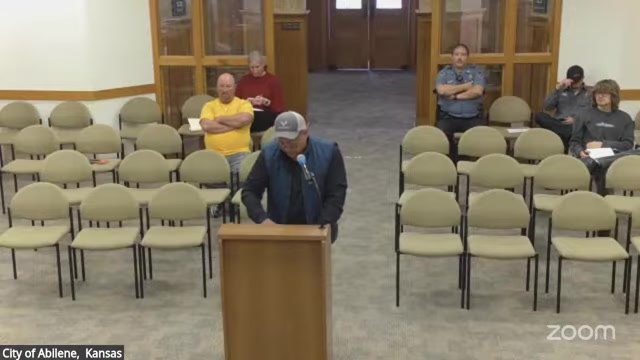
The Abilene City Commission on Monday voted 5-0 to buy a $152,069.23 camera inspection system from Key Equipment that city crews can use to look inside stormwater drainage and sanitary sewer lines.
The Envirosight ROVVER X system was the lower of two equipment proposals. Armor Equipment quoted $229,260.67 for a RapidView/IBAK camera system. The city also received a $21,456 proposal from Mayer Specialty Services to clean and inspect the Priority 1A area identified in the downtown stormwater drainage study, with cleaning or obstruction removal that stops the camera billed at $560 an hour.
Public Works Director Brad Anderson said both camera systems would meet the city's needs and recommended the Key system. He said the city has used outside camera services about four times this year and that the cost of contracting adds up over time. Staff recommended paying for the purchase from the Stormwater Fund, which had an unencumbered balance of $667,249.74 as of Nov. 16. The purchase would leave about $515,180.51.
The city maintains about 19.6 miles of stormwater lines and 52.5 miles of sanitary sewer lines. Staff said owning a camera would let crews inspect from manhole to manhole, document the condition of sewer lines in case of claims against the city and investigate sewer backups without waiting for an outside plumber. The equipment could also be used to help neighboring communities, with the city covering its costs.
Commissioners asked whether the city's own jet-vac truck could clear blocked lines instead of paying for contracted cleaning, and about the equipment's warranty and expected life. Anderson said the truck can generally reach from manhole to manhole, and that he did not expect major issues with the camera units for more than 10 years with proper care.
The city's engineer has identified undersized pipes as a primary cause of downtown drainage problems, and camera inspections will not correct inadequate pipe capacity. Several commissioners said a camera would help confirm conditions inside the lines before the city takes on larger drainage projects.